
Background
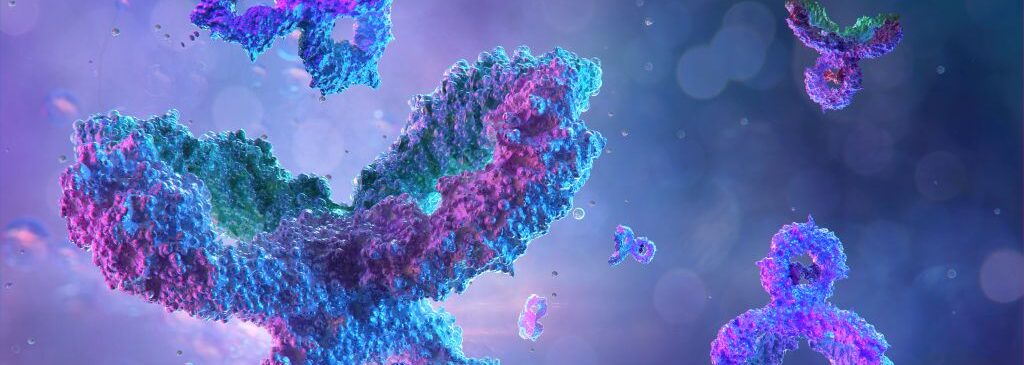
Monoclonal antibodies (mAbs) are a group of Y-shaped proteins
tracing their lineage to a single white blood cell. Each antibody
consists of peptides which compose a heavy and light chain
linked together by disulfide bonds. Each chain
contains a constant domain to bind to host effectors and
a variable domain to bind to target antigens, allowing for
specificity towards foreign pathogens. Recent advances in
immunotherapies have found use of monoclonal antibodies for
the treatment of certain cancers due to their ability to bind to
specific proteins on the surface of cancer cells which enhance
identification and facilitate destruction through antibody
dependent cell mediated cytotoxicity (ADCC). Additionally,
mAbs have had success in the treatment of infectious diseases
such as SARS-CoV-2, and hold promise for application
in autoimmune diseases due to their ability to disrupt
downstream signaling pathways by binding to receptors on B
cells.
To continue reading, please fill out the form.