News

Residual Reagents & Impurities in Drug Development | Webinar
Addressing Residual Reagents and Impurities in Drug Development Free Live Webinar | October 13, 2026 | 1:00 PM EDT Learn practical strategies for identifying, assessing and controlling residual reagents and process- and product-related impurities throughout drug development. Why Residual Reagent and Impurity Control Matters Residual reagents and process- or product-related impurities can affect the safety, ... Residual Reagents & Impurities in Drug Development | Webinar

Getting Started: The Sample Submission and Onboarding Process, Step by Step
Every testing engagement begins before a sample reaches the bench. Documentation, chain of custody, and scope confirmation make up the pre-analytical laboratory testing process. How well this phase runs sets the pace for everything that follows. Sponsors evaluating a new lab relationship tend to focus on method capability and turnaround speed. The steps between signing ... Getting Started: The Sample Submission and Onboarding Process, Step by Step

Types of Analytical Methods for Pharmaceutical Testing
Analytical method development and validation creates IP your program depends on. Who owns it when you outsource?

5 Questions to Ask a Contract Testing Lab Before Signing a Master Service Agreement
A master service agreement can shape a testing relationship for years. Evaluating a contract testing laboratory before signing means looking past capability lists and pricing. Operational details determine how the relationship runs once samples are already in the queue: how a lab handles inspections, data, communication, and delays. Five targeted due diligence questions can reveal ... 5 Questions to Ask a Contract Testing Lab Before Signing a Master Service Agreement
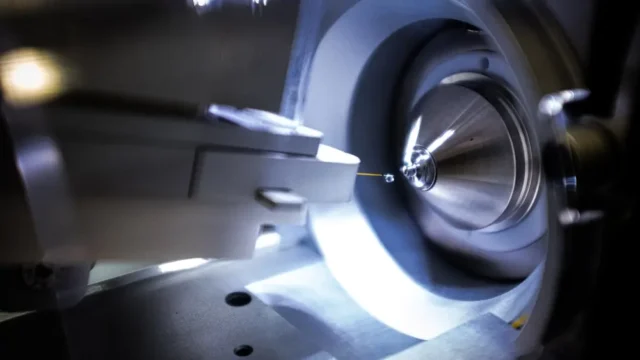
ICP-MS vs. GC-MS: Mass Spectrometry Techniques Compared
Mass spectrometry (MS) is one of the most powerful analytical tools used for pharmaceutical testing and characterization. Through the application of MS, laboratories can identify, quantify, and characterize compounds. This is essential for detecting impurities, monitoring degradation over time, understanding how a drug breaks down in the body, and supporting a wide range of pharmaceutical ... ICP-MS vs. GC-MS: Mass Spectrometry Techniques Compared
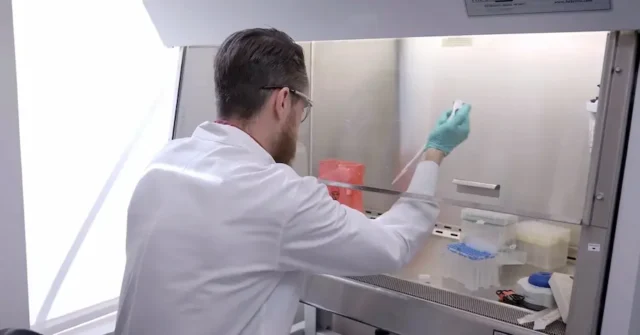
Managing Complex Advanced Therapy Programs
BA Sciences is a contract analytical testing laboratory supporting pharmaceutical, biotechnology, and life science companies across complex, multi-phase advanced therapy programs. Our integrated project management approach connects sample control, material management, analytical, regulatory, and QA teams under a dedicated program manager with visibility across the project timeline. Risk-tiered milestone tracking helps identify potential bottlenecks early, ... Managing Complex Advanced Therapy Programs
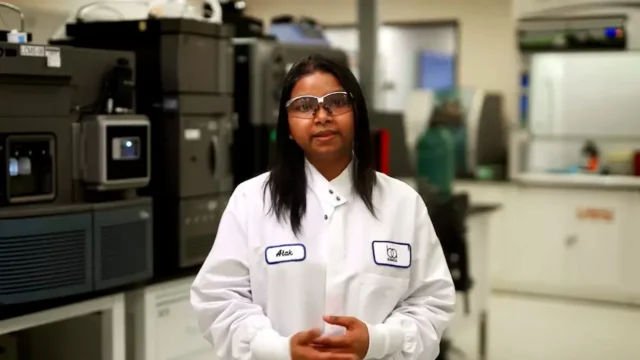
Advanced Therapeutics: Analytical Development & Testing
Our scientists support advanced therapeutic modalities, including monoclonal and bispecific antibodies, cell and gene therapies, oligonucleotides, mRNA platforms, and small molecules. In this video, learn how BA Sciences combines specialized scientific expertise, in-house assay development, validated analytical frameworks, and Quality by Design (QbD) principles to address modality-specific challenges while maintaining scientific rigor, quality, and regulatory ... Advanced Therapeutics: Analytical Development & Testing

Advanced Therapeutics: What Sets BA Sciences Apart
BA Sciences is a contract analytical testing laboratory with an Advanced Therapeutics team purpose-built to support complex pharmaceutical and biotechnology programs. Our approach combines modality-specific expertise, advanced analytical instrumentation and in-house testing capabilities with scientists experienced in pharmaceutical development, biotechnology, and regulatory requirements, including IND and BLA filings. By integrating analytical development, testing, and regulatory ... Advanced Therapeutics: What Sets BA Sciences Apart

Understanding the Difference Between CMC and GMP
Two of the most important factors within the framework of quality and safety are Chemistry Manufacturing and Controls (CMC) and Good Manufacturing Practices (GMP). These two regulatory models that set compliance standards are utilized to ensure the efficacy, safety, and consistency throughout the pharmaceutical industry. The simplest way to explain the difference between these two ... Understanding the Difference Between CMC and GMP
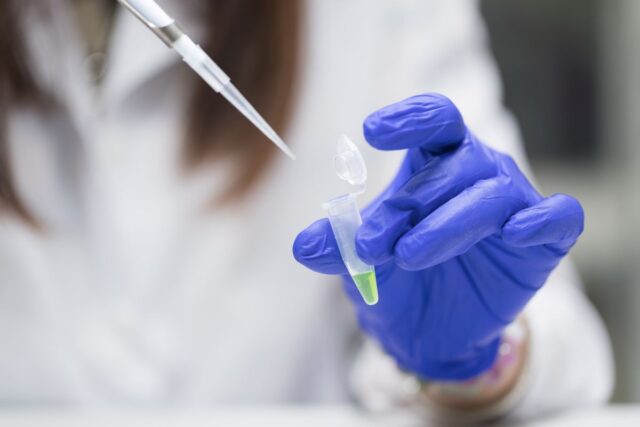
Matching Analytical Methods to Drug Form: HPLC, GC, and Specialized Platforms Compared
Product type drives method selection. Small molecules typically pair with HPLC testing, volatile compounds run on gas chromatography, and biologics need specialized, non-chromatographic platforms. Sponsors who match method to drug form early build a testing program that holds up through stability studies, technology transfer, and regulatory review. The sections below walk through method selection by ... Matching Analytical Methods to Drug Form: HPLC, GC, and Specialized Platforms Compared

You Should Own Your Analytical Methods: What That Means and Why It Matters
Analytical method development and validation creates IP your program depends on. Who owns it when you outsource?
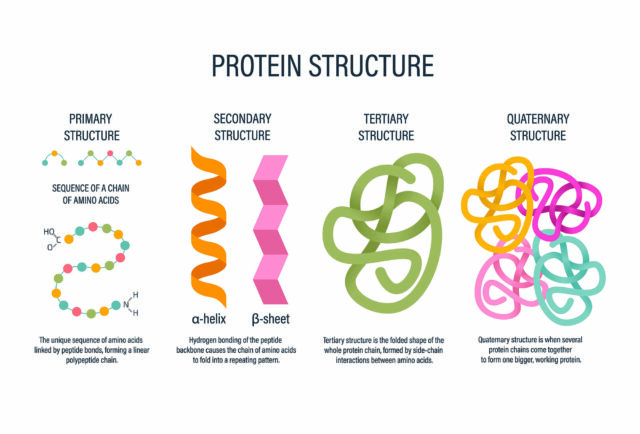
What Is Protein Characterization? Techniques and Applications
Understand the role of protein characterization in biotechnology. Learn why identifying protein traits is vital for regulatory approval and quality.
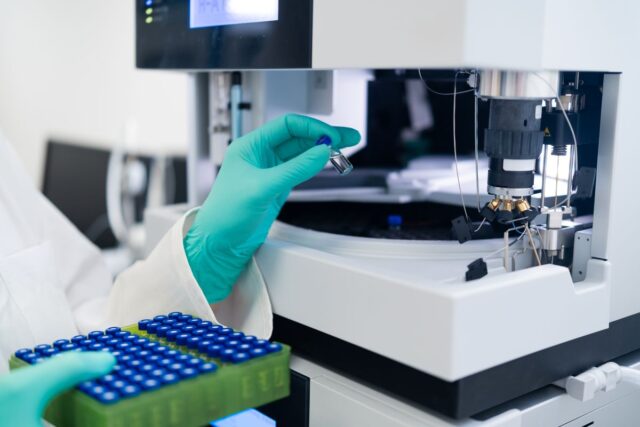
Extractables vs. Leachables: When Each Study Is Required and How to Structure Your Risk Assessment
Extractables and leachables testing is required whenever a drug product comes into contact with materials that could release chemical compounds, including container closure systems, drug delivery devices, single-use manufacturing equipment, and packaging components. The two study types serve different purposes, require different designs, and are triggered at different points in development. Key Takeaways Extractables vs. ... Extractables vs. Leachables: When Each Study Is Required and How to Structure Your Risk Assessment

Operational Excellence in Extractables & Leachables
Operational efficiency is critical to the success of extractables and leachables (E&L) studies. In this video, learn how BA Sciences combines experienced scientific leadership, streamlined workflows, and technical expertise to efficiently manage complex E&L programs for pharmaceutical, medical device, and packaging applications. Discover how our structured approach—from sample receipt and extraction through analytical testing ... Operational Excellence in Extractables & Leachables
Drive Better Outcomes Through E&L Collaboration
Successful extractables and leachables (E&L) programs depend on more than analytical testing, they require collaboration across scientific disciplines. In this video, our experts discuss how BA Sciences partners internally with project management, quality, and analytical teams, as well as externally with pharmaceutical companies, medical device manufacturers, and packaging suppliers, to develop efficient, risk-based E&L strategies. ... Drive Better Outcomes Through E&L Collaboration
Understanding Bioassay Types
Bioassay, which stands for biological assay, is a procedure that measures the potency, efficacy, or toxicity of a substance by observing its effects on living tissues, organisms, or cells. Bioassays are a vital part of scientific research as they provide a direct and measurable understanding of how a substance interacts with living systems. As such, they ... Understanding Bioassay Types
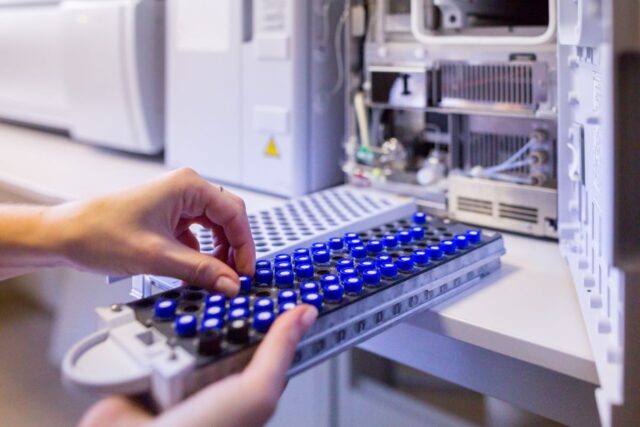
What You Give Up When You Outsource to a Large CRO — and What to Look For Instead
When selecting a pharmaceutical CRO testing services partner, size is an easy proxy for capability. Large organizations that offer analytical testing — whether as their primary business or as part of a broader service portfolio — have the infrastructure, the service menus, and the regulatory track records to back that perception. But organizational scale also ... What You Give Up When You Outsource to a Large CRO — and What to Look For Instead

What Analytical Testing Do You Need Before an IND Submission?
For early-stage biotech teams preparing their first Investigational New Drug application, the CMC analytical testing requirements in the Chemistry, Manufacturing, and Controls section are often where timelines stall. FDA does not require commercial-grade data at the IND stage, but it does expect sufficient analytical characterization to demonstrate that your drug substance and drug product are ... What Analytical Testing Do You Need Before an IND Submission?
What Are Extractables and Leachables?
Extractables and leachables, (E&L), are chemical impurities that migrate from delivery devices, packaging, and manufacturing systems into pharmaceutical products. Extractables are compounds that can be released from materials under exaggerated lab conditions, such as exposure to solvents, heat, or extended contact time. Leachables, are compounds that enter the drug product under normal manufacturing, storage, or ... What Are Extractables and Leachables?
Comparing Bioburden Testing and Sterility Testing
When it comes to microbial quality assurance (MQA), it’s a proactive, comprehensive system that is in place within the manufacturing, food, cosmetic, and pharmaceutical industries to ensure safe, sterile products that are free of harmful microorganisms. This process involves adhering to the Hazard Analysis and Critical Control Points (HACCP) standards that oversee proactive measures designed ... Comparing Bioburden Testing and Sterility Testing
Environmental Monitoring and Critical Utilities
BA Sciences supports environmental monitoring with a comprehensive range of capabilities across both cleanroom environments and critical utilities. Our team collects non-viable and viable air samples, as well as monitors parameters such as hydrocarbons and dew point to ensure environmental control. In addition, we assist with contamination control investigations through targeted, case-specific sampling, including swab ... Environmental Monitoring and Critical Utilities
Environmental Monitoring Support at BA Sciences
BA Sciences offers flexible environmental monitoring solutions tailored to each stage of your program. From large-scale Environmental Monitoring Performance Qualification (EMPQ) studies, designed to qualify new controlled environments for production, to ongoing routine monitoring on a weekly, monthly, or quarterly basis, our team adapts to your specific needs. Whether you’re building a new facility or ... Environmental Monitoring Support at BA Sciences
Outsourcing your Environmental Monitoring Program?
Outsourcing Environmental Monitoring (EM) allows your team to stay focused on what matters most—advancing your products and strategic initiatives. With a fully turnkey approach, BA Sciences manages every aspect of your EM program, from documentation and sampling to results reporting and data trending, delivering reliable support and actionable insights every step of the way. ... Outsourcing your Environmental Monitoring Program?
Environmental Monitoring at BA Sciences
Why Environmental Monitoring Matters More Than Ever In today’s highly regulated pharmaceutical landscape, environmental monitoring (EM) is no longer just a compliance requirement—it’s a critical component of product quality, patient safety, and inspection readiness. As regulatory expectations continue to evolve, companies must move beyond simply “checking the box” and instead adopt a proactive, data-driven approach ... Environmental Monitoring at BA Sciences